HVAC Repair & Maintenance in Chandler, AZ
Your HVAC system plays a critical role in keeping your home or business comfortable throughout the year. In Chandler, Arizona, where summer temperatures can place significant demands on cooling equipment, keeping your heating and cooling system operating properly is essential. Even minor issues can affect comfort, efficiency, and system performance if they are not addressed promptly.
HVAC repair and maintenance services help keep heating and cooling equipment functioning safely and efficiently while reducing the likelihood of unexpected breakdowns. Whether your system is showing signs of a problem or simply needs routine maintenance, proactive care can help extend equipment life and improve overall performance.
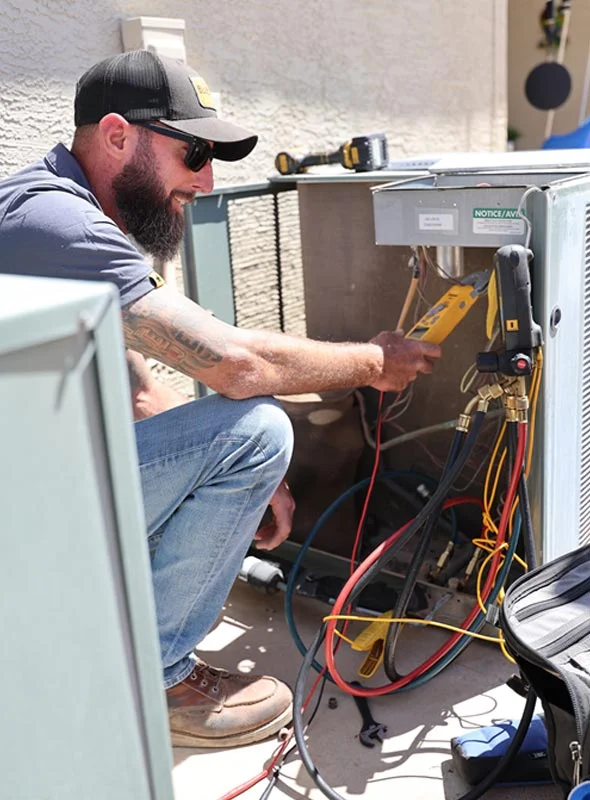
Understanding HVAC Repair and Maintenance
Although repair and maintenance are often discussed together, they serve different purposes.
HVAC repair addresses specific issues that prevent a system from operating properly. Repairs may involve diagnosing malfunctioning components, correcting performance problems, restoring airflow, or fixing equipment failures.
Common repairs can include:
- Replacing worn components
- Repairing electrical connections
- Addressing thermostat issues
- Fixing refrigerant-related problems
- Restoring airflow
- Repairing blower motors
- Resolving ignition or heating issues
HVAC Maintenance
Maintenance focuses on preventing problems before they occur. Routine inspections and tune-ups help identify wear and potential concerns early, allowing corrective action before major failures develop.
Maintenance services may include:
- System inspections
- Cleaning components
- Checking refrigerant levels
- Testing safety controls
- Replacing air filters
- Inspecting electrical connections
- Evaluating system performance
Together, repair and maintenance help support reliable system operation and long-term efficiency.
Signs Your HVAC System May Need Repair
HVAC systems often provide warning signs before a major breakdown occurs. Recognizing these symptoms early can help prevent more costly repairs and prolonged discomfort.
Uneven Temperatures
If certain rooms feel warmer or cooler than others, the system may be experiencing airflow issues, thermostat problems, or equipment performance concerns.
Unusual Noises
Grinding, rattling, squealing, banging, or buzzing sounds are not considered normal. These noises may indicate worn components, loose parts, or mechanical issues.
Weak Airflow
Reduced airflow from vents can affect comfort and system performance. Common causes include clogged filters, duct issues, blower problems, or airflow restrictions.
Frequent Cycling
HVAC systems naturally cycle on and off. However, excessively short or frequent cycles may indicate thermostat problems, improper sizing, or equipment issues.
Increased Utility Bills
Unexpected increases in energy usage may suggest the system is operating inefficiently due to worn components or unresolved performance problems.
Unpleasant Odors
Musty, burning, or unusual odors coming from the HVAC system should be evaluated promptly to determine the source and address any underlying concerns.
Common HVAC Repairs
Every HVAC system experiences wear over time. Some components naturally require service as equipment ages and usage accumulates.
Thermostat Repairs
A malfunctioning thermostat can cause temperature inconsistencies, short cycling, or communication issues with the HVAC system.
Blower Motor Repairs
Blower motors move conditioned air throughout the property. Problems with the motor can reduce airflow and impact overall comfort.
Capacitor Replacement
Capacitors help motors start and operate correctly. When they fail, equipment may struggle to start or stop working entirely.
Refrigerant-Related Issues
Proper refrigerant levels are essential for cooling performance. Low refrigerant levels or leaks can affect efficiency and cooling capacity.
Electrical Repairs
HVAC systems rely on multiple electrical components. Faulty wiring, damaged connections, or failing components can impact system operation.
Fan Repairs
Indoor and outdoor fans help regulate airflow and heat transfer. Damaged fan components can reduce system performance and increase equipment strain.
What Happens During an HVAC Maintenance Visit?
Air Filter Inspection
Filters are checked for dirt and blockage. Clean filters help support airflow and system efficiency.
Thermostat Evaluation
Thermostat settings and functionality are verified to ensure accurate temperature control.
Electrical Inspection
Connections, wiring, and electrical components are inspected for signs of wear or safety concerns.
Coil Inspection and Cleaning
Indoor and outdoor coils may be inspected and cleaned to improve efficiency and heat transfer.
Refrigerant Evaluation
Technicians verify refrigerant levels and check for indications of leaks or performance concerns.
Airflow Assessment
Airflow throughout the system is evaluated to identify restrictions or distribution issues.
Safety Testing
Safety controls and system protections are tested to verify proper operation.
Performance Monitoring
The overall system is evaluated to identify any developing concerns that may require attention.
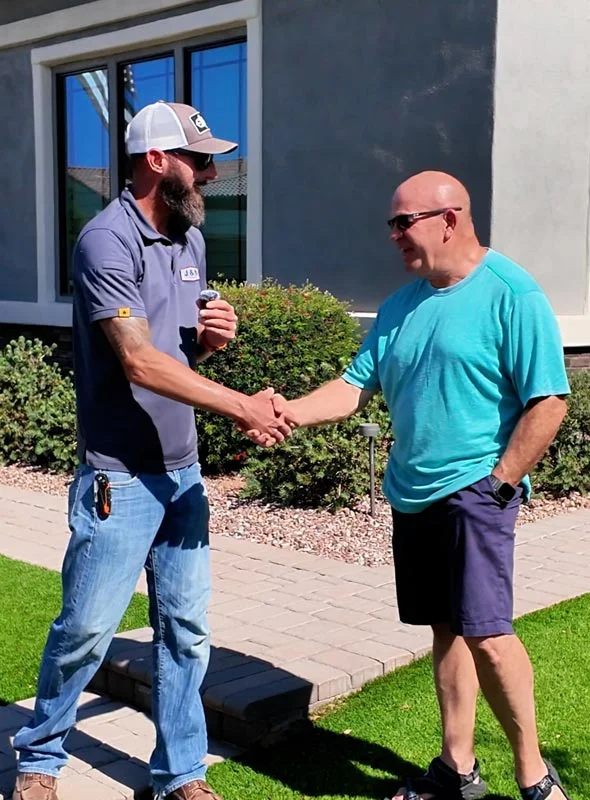
HVAC Repair and Maintenance for Homes
Residential HVAC systems are responsible for keeping families comfortable throughout every season.
Whether the issue involves cooling performance, airflow, thermostat operation, or unusual noises, prompt repairs can help restore comfort and prevent further system damage.
Routine maintenance also helps homeowners:
- Improve efficiency
- Lower operating costs
- Reduce emergency repairs
- Extend equipment lifespan
- Maintain consistent indoor comfort
Schedule HVAC Repair & Maintenance Service
Your HVAC system works hard to keep your property comfortable throughout the year. Routine maintenance and timely repairs help support reliable performance, improve efficiency, and reduce the risk of unexpected breakdowns.
Whether your system is experiencing performance issues or simply needs preventative maintenance, professional service can help identify concerns early and keep your equipment operating as intended.
Frequently Asked Questions
How often should HVAC maintenance be performed?
What are the signs that my HVAC system needs repair?
Can maintenance help lower energy bills?
How long does an HVAC maintenance appointment take?
What happens if I skip HVAC maintenance?
Is HVAC maintenance required for warranty coverage?
Why is my HVAC system making unusual noises?
Can dirty filters affect HVAC performance?
Yes. Dirty filters can restrict airflow, reduce efficiency, impact indoor air quality, and place additional strain on system components.